



Recent searches
Recommended for you


Search results
Searching…
No products found. Try a different search term.
No products found. Try a different search term.

Your preschooler walks through the door with wet socks, muddy shoes, sweaty hair, and a school bag that smells like rain. Before you can ask about their day, there is already a puddle. Familiar?
Monsoon hygiene for kids does not need a complicated system. A 10-minute after-school hygiene routine can keep your child fresh, separate damp items, and make the next morning easier.
Place muddy shoes on a mat. Keep the umbrella open in a safe, airy spot so rainwater does not travel through the house.
Ask your child to change immediately. Wet school uniform hygiene matters because damp fabric against the skin can cause discomfort. Never let a child continue playing in wet socks.
Use clean running water and a child-suitable wash. Mother Sparsh Natural Care Baby Wash & Shampoo is a 2-in-1 cleanser for gentle skin and scalp cleansing, suitable through the toddler years.
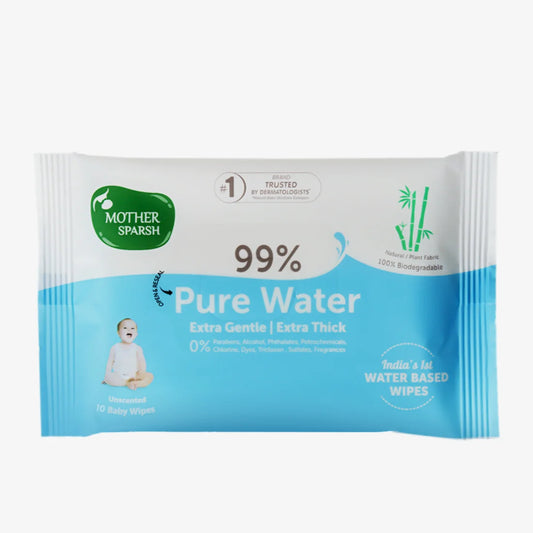
Mother Sparsh 99% Pure Water Unscented Baby Wipes can support temporary or on-the-go cleaning of hands and exposed skin. They are handy on the way home, but should not replace proper washing when clean water is available.
Pat the skin dry, especially between the toes, behind the knees, under the arms, and inside skin folds. When damp shoes and socks stay on a child, trapped moisture can increase discomfort.
Look for cuts, insect bites, redness, itching, or irritation. Preschoolers may forget to mention a scratch, so make this quick check a habit.
Choose loose, comfortable home clothes. Fresh clothing helps your child settle down for lunch, rest, or play.
Take them out, discard leftovers, and wash both. Do not leave food sealed inside the school bag overnight. Humidity and forgotten banana pieces are not a great team.
Loosen the laces, remove insoles where possible, and place shoes in a ventilated area. Open every zip and remove wet notebooks or worksheets.
Keep wet uniforms and socks away from clean clothes. Wash them promptly and follow the clothing labels. Mother Sparsh Plant Powered Laundry Detergent, which contains bioenzymes and is made without dyes or optical brighteners, is a safe choice for everyday laundry.
Once the bag is dry, add clean socks and basic hygiene essentials. This reset can prevent a family search for one missing sock the next morning.
A useful monsoon school bag checklist includes:
Keep these rainy season school essentials light enough for your preschooler to carry comfortably.
For slightly sweaty hair, dry the scalp and leave the hair open until fully dry. Avoid tying damp hair tightly.
A complete bath may be needed when your child is soaked, muddy, has played in rainwater, or has sweat and dirt across the body. Wash gently, rinse properly, and dry the scalp well.
Note: Do not use wipes as the only hygiene step after your child has played in rain. Proper washing with water remains essential.
Seek medical advice if:
Seek urgent medical help if your child has breathing trouble or swelling of the face, lips, tongue, or throat.
Medical disclaimer: This article is for general awareness only and is not a substitute for professional medical advice. Always consult a registered paediatrician or doctor for any health concerns related to your child.


