



Recent searches
Recommended for you


Search results
Searching…
No products found. Try a different search term.
No products found. Try a different search term.

Your baby's first monsoon feels different when you are a new parent. The rain sounds lovely, the weather cools down, and then suddenly you are worrying about damp clothes, sweaty folds, mosquitoes, and whether the baby needs another bath.
Take a breath. Monsoon baby care does not need complicated rules. A few small habits can make the season much easier. Here are 11 common mistakes new parents can avoid during their baby's first rainy season.
That onesie may only feel "slightly wet," but damp fabric sitting against the skin for long can become uncomfortable. After a sweaty nap, milk spill, or rainy outing, change your baby into clean, dry clothes.
Keep two extra cotton outfits in the diaper bag. Monsoon lesson number one: "almost dry" is not really dry.
Rain does not always mean cold. Humidity can still make babies feel warm and sweaty.
Choose light, breathable clothing and check the back of the neck for sweat. Add a layer only when the room or weather genuinely feels cooler.
Neck folds, behind the ears, underarms, and thigh creases can stay damp after cleaning.
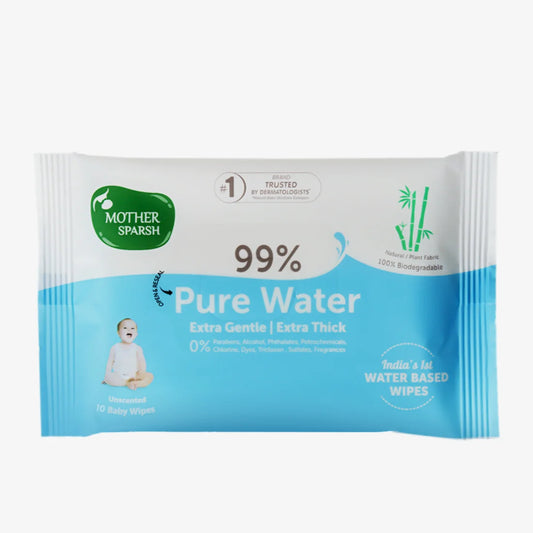
Gently clean these areas and pat them dry instead of rubbing. For everyday messes or diaper changes, Mother Sparsh 99% Pure Water Unscented Baby Wipes can be handy, especially away from home.
A sticky monsoon afternoon can make you want to bathe your baby again. More washing, however, is not always better for delicate skin.
Keep baths comfortable and simple. Mother Sparsh Natural Care Baby Wash & Shampoo can fit into the routine without turning every sweaty moment into a full bath.
This one surprises many first-time parents. Humid weather does not automatically mean your baby's skin cannot feel dry.
After bathing, pat the skin dry and use a light baby moisturiser if needed. Pay extra attention to areas that feel rough or dry rather than piling on multiple skincare products just because it is monsoon.
Monsoon humidity plus a wet diaper is not a combination you want hanging around.
Check diapers regularly, change them when needed, and make sure the diaper area is clean and dry before putting on a fresh one. Give the skin a little diaper-free time when practical too.
A product may suit another baby beautifully and still not suit yours.
When introducing a new skincare product, start carefully. Follow the label instructions and stop using it if you notice irritation. Persistent rashes should be discussed with your paediatrician.
Grey skies can fool us into thinking sun care is unnecessary. Outdoor daytime exposure still matters.
For babies under six months, prioritise shade and protective clothing. For babies six months and older, Mother Sparsh Natural Care Baby Sunscreen Lotion offers SPF 50 PA+++ protection for exposed skin. Use it according to the product directions.
Washed bottles, nipples, teethers, and feeding accessories should not be left sitting wet in closed containers.
Clean them properly, rinse as directed, and let them dry thoroughly before storage. During monsoon, drying matters just as much as washing. A neat-looking bottle that is still damp is not ready for the cupboard.
Mosquito care is not only for evening walks. Open windows, balconies, and standing water around the home deserve attention too.
Use window screens or mosquito nets where possible, empty standing water, and keep your baby's sleeping space protected. Ask your paediatrician before using any unfamiliar repellent product.
New parents often feel they need a separate product and rule for every monsoon problem. You do not.
A simple routine works better: keep baby dry, clean gently, moisturise when needed, change diapers on time, dry feeding items properly, and plan ahead before stepping outside. Watch your baby rather than the weather app alone.
Your baby's first monsoon will probably include wet socks, surprise laundry, and at least one moment when you wonder, "Am I doing this right?"
You probably are.
Good monsoon care is less about being perfect and more about noticing the small things early. Keep the routine gentle, choose baby-care products thoughtfully, and enjoy the rainy-day cuddles. Those tiny monsoon memories will pass much faster than the laundry pile suggests.
Medical disclaimer: This article is for general awareness only and is not a substitute for professional medical advice. Always consult a registered paediatrician for guidance specific to your baby's health and needs during the monsoon season.


